In today’s fast-paced business landscape, the integration of automation systems has become pivotal for organizations striving to stay ahead in an increasingly competitive market sap business one in malaysia. The ability of automation to streamline operations, boost productivity, and drive cost efficiencies is undeniable. However, as businesses embrace this transformative technology, a crucial question arises: how does automation impact the workforce? This question delves into the intricate dynamics between technology and human capital, shedding light on both the opportunities and challenges that lie ahead.

Evolution of Automation Technology
Throughout the decades, the evolution of automation technology has revolutionized industries worldwide, enhancing efficiency and productivity at an unprecedented pace aspert. Automation technology refers to the use of control systems and information technologies to reduce the need for human intervention in processes.
Initially, automation was limited to simple tasks like mechanization of production lines. However, with advancements in computing power and artificial intelligence, automation has now reached new heights, allowing for complex decision-making processes to be carried out autonomously.
The evolution of automation technology can be traced through several key stages. The first stage involved the development of mechanical automation, where machines were used to perform repetitive tasks. This was followed by the introduction of programmable logic controllers (PLCs) and computer numerical control (CNC) machines, enabling more sophisticated control of industrial processes.
The integration of sensors, actuators, and data processing capabilities has further propelled automation technology into the realm of smart manufacturing, where interconnected systems optimize production processes in real-time.
Advantages of Automated Systems
Automated systems offer a myriad of benefits, including:
- Increased efficiency through streamlined processes.
- Error reduction by minimizing human intervention.
- Significant cost savings due to decreased labor expenses and improved resource utilization.
These advantages are instrumental in:
- Enhancing productivity.
- Ensuring consistency in operations.
- Fostering a competitive edge in various industries where automation is implemented.
By harnessing the power of automated systems, organizations can:
- Optimize their workflows.
- Achieve operational excellence.
Increased Efficiency
The implementation of an automation system in a manufacturing environment has been shown to significantly enhance operational efficiency. Automated systems streamline processes, leading to increased production rates and reduced labor costs. By utilizing robots and machinery to perform repetitive tasks with precision and speed, companies can achieve higher levels of output in a shorter amount of time.
Automation also minimizes human error, resulting in improved product quality and consistency. Furthermore, automated systems allow for continuous operation, reducing downtime for maintenance and repairs. Overall, the integration of automation technologies in manufacturing not only boosts efficiency but also enhances competitiveness in the market by meeting consumer demands more effectively and efficiently.
Error Reduction
Implementing an automation system in a manufacturing setting results in a significant reduction in errors through the precise execution of tasks by robots and machinery. Automated systems operate with high accuracy and consistency, minimizing the potential for human errors that can occur during manual processes.
By programming specific instructions and quality checks into the automated processes, the system can detect and rectify errors promptly, ensuring that products meet quality standards. Additionally, automation reduces the reliance on human intervention, thereby decreasing the likelihood of errors caused by fatigue, distractions, or variability in skill levels.
Cost Savings
By leveraging automated systems in manufacturing environments, organizations can achieve significant cost savings through streamlined operations and increased efficiency. Automated systems reduce the need for manual labor, leading to lower labor costs, decreased error rates, and improved production speed.
Additionally, these systems can optimize resource utilization, minimize waste, and enhance overall productivity. By automating repetitive tasks, companies can reallocate human resources to more strategic roles, further maximizing cost savings.
Investing in automation technology may require an initial upfront cost, but the long-term benefits in terms of reduced operational expenses and improved output quality make it a financially prudent decision for businesses aiming to stay competitive in today’s market.
Applications in Manufacturing Industry
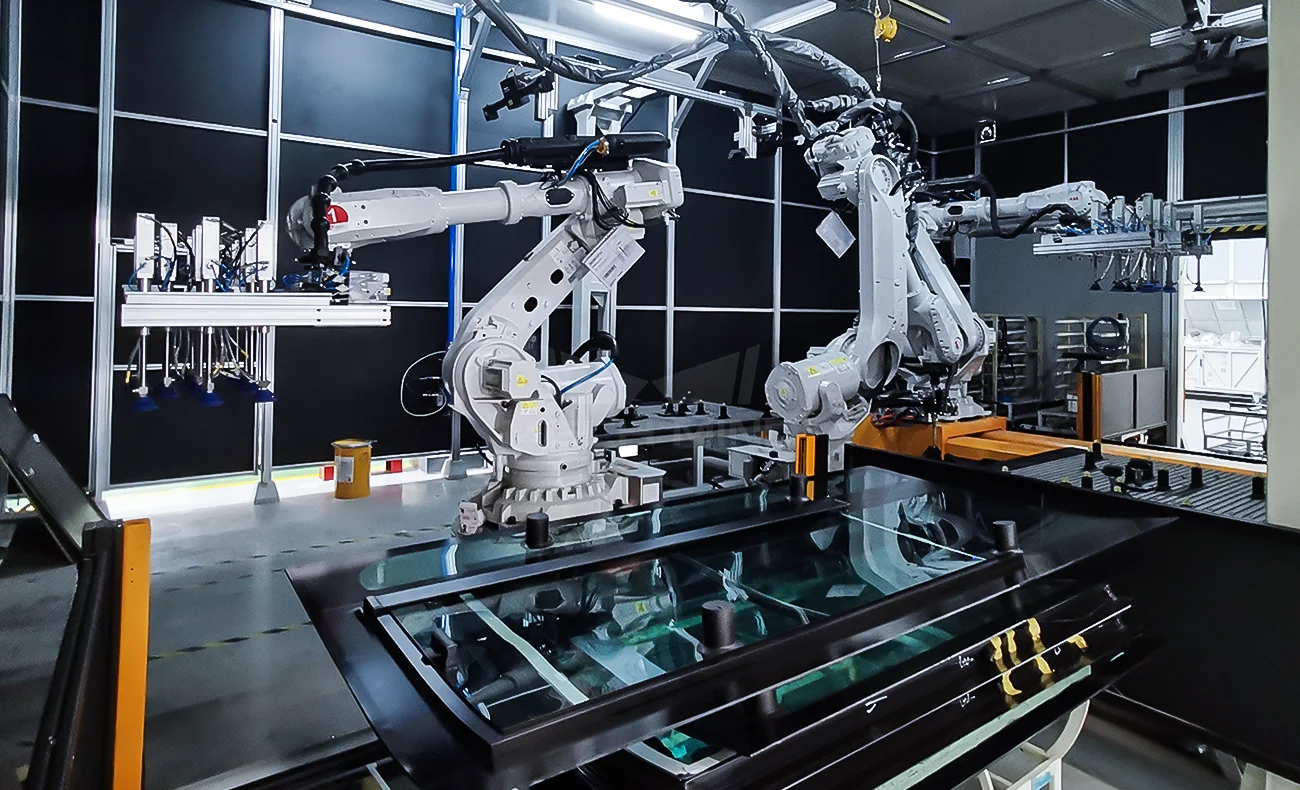
The implementation of automation systems in the manufacturing industry yields significant benefits such as enhanced efficiency in production processes and improved quality control measures.
Efficiency in production is achieved through streamlined workflows, reduced downtime, and increased output capacity.
Quality control benefits include precise monitoring and consistent adherence to predefined standards, resulting in higher product quality and customer satisfaction.
Efficiency in Production
In modern manufacturing industries, the integration of automation systems has significantly enhanced production efficiency. Automation streamlines processes, reduces manual labor, and minimizes errors, leading to increased output levels and cost savings.
Automated systems ensure tasks are completed swiftly and accurately, optimizing overall production efficiency. Through the use of robotics, artificial intelligence, and machine learning, manufacturers can achieve higher production rates while maintaining quality standards.
Real-time monitoring and data analysis provided by automation systems enable quick decision-making to address any bottlenecks or inefficiencies in the production line. By automating repetitive tasks and implementing smart technologies, manufacturers can improve their competitiveness, meet market demands, and adapt to changing industry requirements efficiently.
Quality Control Benefits
Enhancing product quality and operational efficiency, the implementation of quality control benefits in the manufacturing industry is paramount for ensuring consistent standards and customer satisfaction. Quality control processes, ranging from statistical process control to Six Sigma methodologies, help identify defects early in the production cycle, reducing waste and rework.
By implementing automated quality control systems, manufacturers can streamline inspection processes, improve accuracy, and increase overall product reliability. Real-time monitoring of production parameters allows for quick adjustments, ensuring that products meet specifications consistently.
Additionally, quality control benefits extend beyond the production line, fostering a culture of continuous improvement and innovation within the organization. Overall, integrating quality control measures into manufacturing operations is essential for meeting industry standards and exceeding customer expectations.
Enhancing Efficiency Through Automation
Utilizing automated systems has become a pivotal strategy for organizations aiming to streamline operations and boost productivity. Automation enables tasks to be completed with minimal human intervention, reducing errors and increasing efficiency. By automating repetitive and time-consuming processes, businesses can reallocate resources to more strategic activities, ultimately enhancing overall efficiency.
Automation systems offer a wide range of benefits that contribute to increased efficiency. They can handle large volumes of data at high speeds, allowing for quick decision-making and rapid responses to market changes. Additionally, automated systems can operate 24/7 without the need for breaks, leading to continuous productivity and output.
Furthermore, automation streamlines workflows by standardizing processes and ensuring consistency in operations. This standardization minimizes variations and errors, resulting in improved quality and efficiency across the organization. By optimizing resource utilization and reducing manual intervention, automation ultimately drives efficiency gains and competitive advantages for businesses in today’s fast-paced market landscape.
Impact on Labor Force
The integration of automation systems in the workforce landscape has prompted a transformation in the traditional roles and responsibilities of employees. As automation technologies advance, routine tasks are increasingly being delegated to machines, leading to a shift in the skill sets required from human workers. While this automation streamlines operations and boosts productivity, it also raises concerns about the impact on the labor force.
One significant effect of automation on the labor force is the displacement of workers in certain industries where machines can perform tasks more efficiently and cost-effectively. This displacement necessitates reskilling or upskilling of the workforce to adapt to the changing demands of the job market. Additionally, the implementation of automation systems may lead to a reduction in the overall workforce size, as companies seek to optimize their operations through increased efficiency and reduced labor costs.
Despite these challenges, automation also presents opportunities for workers to focus on higher-value tasks that require creativity, problem-solving, and critical thinking—skills that machines currently struggle to replicate. Consequently, the impact of automation on the labor force underscores the importance of continuous learning and adaptability in today’s rapidly evolving workplace.
Automation in Smart Homes
Amidst the broader implications of automation on the labor force, the integration of automation systems into smart homes stands as a significant advancement in modern residential technology. Automation in smart homes involves the use of Internet of Things (IoT) devices and sensors to control various aspects of a home, such as lighting, heating, air conditioning, security, and entertainment systems. These systems offer homeowners increased convenience, energy efficiency, and security.
Smart home automation allows users to remotely monitor and manage their home environment through smartphone apps or voice commands. For instance, homeowners can adjust the thermostat, turn off lights, or even lock doors from anywhere with an internet connection. Additionally, automation in smart homes can lead to cost savings by optimizing energy usage based on occupancy and preferences.
The integration of automation in smart homes is continuously evolving, with new devices and technologies being introduced regularly. As technology advances, smart homes are becoming more accessible and affordable, empowering homeowners to create personalized, efficient living spaces tailored to their needs and preferences.
Future Innovations and Trends
Exploring upcoming advancements and trends in smart home automation reveals a landscape of innovation poised to transform residential living experiences. One of the key future innovations is the integration of artificial intelligence (AI) and machine learning algorithms into automation systems. This will enable smart homes to learn and adapt to the preferences and habits of the residents, providing a more personalized and intuitive experience.
Another trend on the horizon is the increased connectivity and interoperability of smart devices. The development of universal standards and protocols will allow different devices and systems to seamlessly communicate with each other, creating a more cohesive and integrated smart home ecosystem.
Additionally, advancements in voice recognition technology and natural language processing will enhance the interaction between users and their smart home devices. This will enable more intuitive and conversational control over various aspects of home automation.
Challenges in Implementing Automation
Navigating the realm of automation implementation presents a myriad of challenges that require strategic planning and precise execution. One of the primary hurdles is the initial investment required for setting up automation systems. Companies need to allocate substantial funds for purchasing equipment, software, and training employees.
Additionally, integrating automation into existing processes without disrupting operations poses a significant challenge. Ensuring that the new automated systems seamlessly work alongside human workers demands meticulous planning and coordination.
Another obstacle in implementing automation is the resistance from employees who fear job displacement. Addressing these concerns through effective communication and upskilling programs is crucial for successful implementation. Moreover, the complexity of automation technology and the need for specialized expertise can create barriers for organizations without access to skilled professionals.
Overcoming these challenges necessitates investing in training and development to build a workforce capable of managing automated systems efficiently.
Environmental Benefits of Automation
Having established the challenges faced in implementing automation, it is imperative to recognize the significant environmental benefits that automation systems can offer to organizations and society as a whole. Automation plays a vital role in reducing energy consumption by optimizing processes and minimizing waste. By streamlining operations, automation systems can enhance energy efficiency, leading to lower carbon emissions and decreased environmental impact. Additionally, automation enables precise control over resource usage, such as water and electricity, contributing to conservation efforts.
Furthermore, automation aids in the monitoring and management of environmental conditions in real-time. This capability allows for proactive responses to deviations, preventing potential environmental hazards. Automated systems also facilitate the integration of sustainable practices, like recycling and waste management, into daily operations seamlessly.
Conclusion
In conclusion, automation systems play a pivotal role in modern industries by optimizing processes, increasing efficiency, and reducing costs. The evolution of automation technology has revolutionized the manufacturing industry and is now expanding into smart homes.
Despite challenges in implementation, the benefits of automation, such as enhanced productivity and environmental advantages, make it a crucial component of the future of business operations. Continued innovation in automation systems will further drive advancements in various sectors.
…